|
|
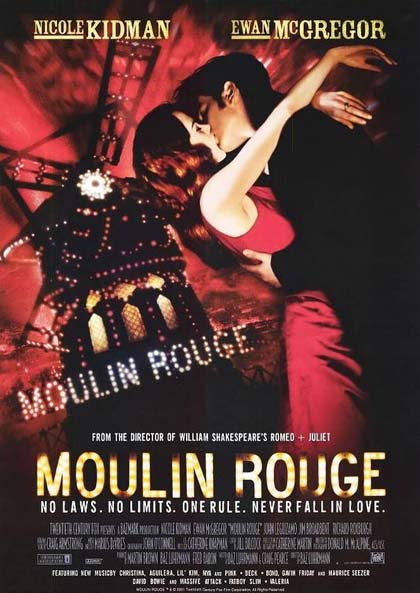
MOULIN ROUGE!: DIETRO ALLO SFRENATO MONDO DI PIACERE ED APPARENZA DEL 'MOULIN ROUGE' SI CONSUMA LA TRAGEDIA DI UN AMORE SPLENDIDO, INTENSO ED IMPOSSIBILE, IN UN UNIVERSO SENZA LEGGI SCRITTE IN CUI L'UNICA PARADOSSALE REGOLA E' 'NON INNAMORARSI'
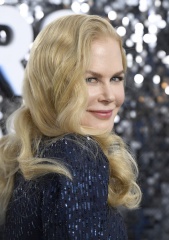
I ‘RECUPERATI’ di ‘CelluloidPortraits’ - Omaggio a NICOLE KIDMAN
(Moulin Rouge AUSTRALIA 2001; Musical drammatico; 130'; Produz.: Bazmark; Distribuz.: 20th Century Fox)
Vincitore di 2 premi Oscar 2002: 'Migliori Scenografie' e 'Migliori costumi'; 3 Golden Globe 2002: 'Miglior Film (Musical/Commedia)', 'Miglior Colonna Sonora' e 'Miglior Attrice' (musical/commedia)' (Nicole Kidman) ; BAFTA al 'Miglior Attore Non Protagonista' a Jim Broadbent; BAFTA alla 'Migliore Colonna Sonora' a Craig Armstrong e Marius De Vries; 2 MTV Movie Awards 2002: 'Miglior Performance Femminile', 'Miglior Sequenza Musicale'; National Board of Review Awards 2001: 'Miglior Film'.
 See ENGLISH VERSION REVIEW by ENRICA MANES
|
Titolo in italiano: Moulin Rouge!
Titolo in lingua originale:
Moulin Rouge!
Anno di produzione:
2001
Anno di uscita:
2001
Regia: Baz Luhrmann
Sceneggiatura:
Baz Luhrmann e Craig Pearce
Cast: Nicole Kidman (Satine )
Ewan McGregor (Christian)
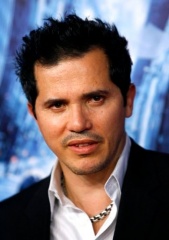
John Leguizamo (Henri de Toulouse-Lautrec )
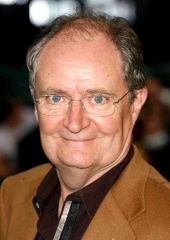
Jim Broadbent (Harold Zidler )
Richard Roxburgh (Il Duca di Monroth)
Garry McDonald (Il Dottore)
Jacek Koman (Argentino narcolettico )
Matthew Whittet (Satie)
Kerry Walker (Marie )
Caroline O'Connor (Nini 'gambe-all'aria')
Christine Anu (Arabia)
Natalie Jackson Mendoza (China Doll)
Lara Mulcahy (Môme Fromage)
David Wenham (Audrey)
Kylie Minogue (Fatina verde)
Musica: Andy Nelson, Anna Behlmer, Craig Armstrong, David Baerwald
Costumi: Catherine Martin e Angus Strathie
Scenografia: Catherine Martin, Brigitte Broch
Fotografia: Donald McAlpine
Scheda film aggiornata al:
06 Marzo 2013
|
Sinossi:
IN BREVE:
Christian è un giovane poeta in cerca di fortuna.
Giunto nel quartiere di Montmartre alla ricerca di sé e di una ispirazione, contro la volontà della famiglia, si avvicina per la prima volta al mondo Bohemien grazie ad un incontro fortuito con l’estroso Toulouse Lautrec ed al suo gruppo di amici che ,o porteranno dritto dritto nel caotico e colorato mondo del Moulin Rouge.
Ad attenderlo è la prospettiva di un amore inaspettato e totale, vissuto per la prima volta.
Commento critico (a cura di ENRICA MANES)
|
 Se a detta di Toulouse la cosa più bella al mondo “è amare e lasciarsi amare”, fin dal principio la storia è destinata a non regalare allo spettatore un lieto fine.
La scelta di Baz Luhrman è delle più tragiche e ardue insieme, quella di mettere lo spettatore nella condizione di sapere il finale prima dello svolgersi della vicenda che diventa flusso di coscienza del ricordo terribile e vibrante della vita di Christian e Satine, mentre la macchina da scrivere compone un libro in versi e musica nella stanzetta triste di Montmartre da cui la vista del mulino è ormai solo la nebbia di un incubo che si vuole dissipare.
E allora Lurhman ci introduce nelle stanze rosse e chiassose dove sventolano e si alzano le balze di una moltitudine di gonne colorate e la musica impazza, stordisce, sulle note di un can can moderno e sfrenato, sguaiato a tratti |
|
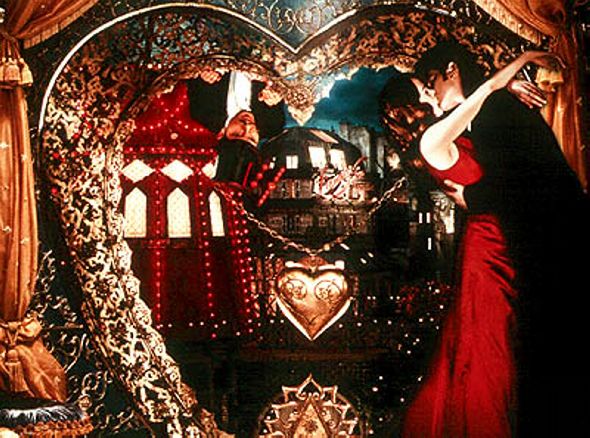 in cui la gente che affolla la sala si getta in un turbine indiavolato.
Il motto di Ziedler, il padrone dello spettacolo, è molto chiaro “we can-can-can”, amaro gioco di parole che mostra questa superficie affollata di persone immerse nel divertimento, alla ricerca dello spettacolo puro, senza limite tra poter fare e dovere.
La perla del Moulin Rouge arriva dall’alto però, come un angelo, Satine, un nome elegante per il diamante splendente, vera attrazione dello spettacolo, la donna che tutti attendono.
Tra un romantico intermezzo e una simpatica piece, avviene l’incontro fra la stella ed il poeta e Satine e Christian si incontrano e per la prima volta incrociano gli sguardi per guardarsi dentro.
È l’Elephant Love Medley a guidare spettatore ed animi dei protagonisti con una sapiente scelta di brani e dialoghi, tanto da diventare fortunato main theme indimenticato ed anima della storia stessa, mentre le scene scorrono e con esse i |
|
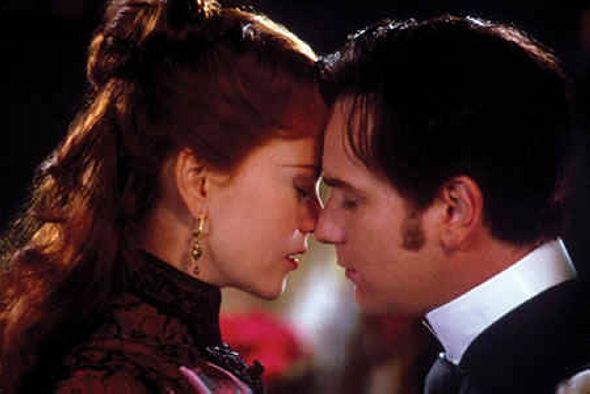 destini indissolubilmente intrecciati delle vite di Satine e Christian.
Non solo amore quindi, perché lo spettatore già sa che fine aspetta i due protagonisti, così che le parole “we colud be heroes just for one day” suonano di un drammatismo carico di significati, fa scendere le prime lacrime, e stringe il cuore la scelta di Baz Luhrman di far divenire onnisciente lo spettatore, ma non i protagonisti del dramma.
Lo stile del regista si nota in ogni frammento, perché ogni inquadratura è una perla descrittiva di emozione, una stanza la cui musica sottolinea il sentimento, si fa dolce, carica di rabbia, furore, istinti, insinua il tradimento, alterna la risata ad una morale fortemente meditata, in un climax che sale fino ad arrivare all’apice massimo di un pathos di straordinaria intensità sulle note di una tragica “Show must go on”.
La morale del film e della storia è arrivata fino a qui e da |
|
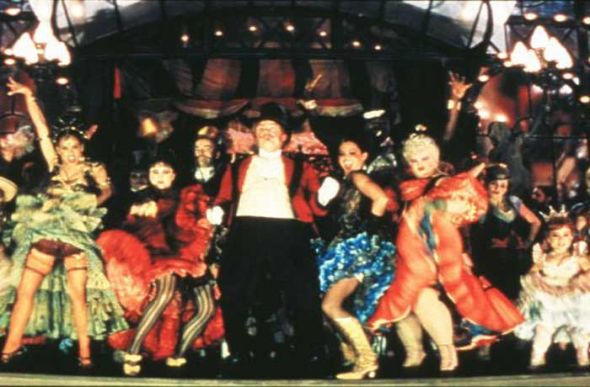 queste parole traspare il dolore puro, unito come non mai in immagini e parole che si fanno vibranti per la perfetta scelta della musica che si fonde in un tutt’uno inscindibile come il dramma di due anime che si sono incontrate ma che non sono destinate a vivere, perché dietro allo sfrenato mondo di piacere ed apparenza del Moulin Rouge si consuma la tragedia di un amore splendido, intenso ed impossibile, in un universo senza leggi scritte in cui l’unica regola è paradossale: non innamorarsi.
Metafora di un mondo in cui la folla degli astanti attende e batte insistentemente le mani, plaudendo allo spettacolo, attendendo che gli attori escano sul palco, Moulin Rouge mette lo spettatore davanti a una realtà vera che si consuma dietro le quinte, un dramma tutto interiore perché alla migliore maniera di Pirandello o degli Indifferenti di Moravia, si indossa la maschera, perché la tragedia quella |
|
 no, non è fatta per essere mostrata.
Eppure la folla continua ad applaudire, incurante e inconsapevole di ciò che sta al di là, perché al mondo no, questo non importa, lo spettacolo deve andare avanti.
ENGLISH VERSION
Behind the world of unbridled pleasure and appearance of the Moulin Rouge, is taking the tragedy of a very deep love, intense as impossible in a world without written laws in which the only rule is a paradox: never fall in love.
If according to Toulouse, the most beautiful thing in the world "is to love and be loved in return", from the beginning the story is not intended to give the spectator a happy ending.
The choice of Baz Luhrman is the most tragic and difficult, to put the audience in the position to know the final before the end of the story that became stream of consciousness of that terribly deep and |
|
 passionate memory in Christian and Satine lives, while the writingmachine writes a book composed in verse and music in the sad room of Montmartre and trough the window only the mill, now nothing more than the fog of a nightmare that you want to dispel.
So Lurhman put us into the red and noisy room where people is driven crazy about music and that multitude of colorful skirts is stunning on the notes of a modern and boundless can can where people who crowd the room plunges into a whirlwind set off.
The motto of Ziedler, the boss of the show, it is very clear "we can-can-can," bitter play on words that shows this area crowded with people immersed in fun, in search of pure entertainment, without limit because everything is possible and they “can” do it all.
And it’s in that crowd of music and colours that Moulin |
|
Rouges’ Sparkling diamond, Satine, makes her appearence.
Between a romantic interlude and a nice piece, is the meeting between the star and the poet, and Satin and Christian meet eachother for the first time.
It is the Elephant Love Medley to lead the audience and minds of the actors with a wise choice of songs and dialogues, becoming lucky unforgettable main theme and soul of the story itself, and the scenes flow and with them the fate inextricably intertwoven lives of Satin and Christian.
And it is not only love, because audience already knows what awaits the two protagonists, so that the words "we colud be heroes just for one day" are playing a real dramatic load of meanings, letting go down the first tears, and shake the heart.
The style of the director is so visible in every fragment, because every frame is full of emotion, a room where |
|
the music emphasizes the feelings; sweetness, anger, fury, instinct, betrayal, laugh, in a climax that goes on until it gets at a maximum of pathos of extraordinary intensity on the notes of a tragic "Show must go on."
The aim of the film is driven by these words, perfectly interwoven as never before with pictures; all is pure heart vibration for the perfect choice of music that blends into the drama of two souls who have made their love experience but which are not meant to live, because behind the curtain of unbridled pleasure and appearance of the Moulin Rouge is taking the tragedy of a very deep love, intense as impossible in a world without written laws in which the only rule is a paradox: never fall in love.
Metaphor of a world in which the crowd of an audience is waiting insistently and beat his hands, |
|
applauding the show, waiting for the actors on stage, Moulin Rouge puts the spectator in front of a true reality that is taking behind the curtains, an intense drama in the best way of Pirandello and Moravia,where everyone has to wear the mask, because the tragedy that no, it is not made to be shown.
But the crowd continue to applaud, careless and unaware of what is the other side, because this doesn’t matter, the show must go on.
|
|
|
|
|
|
|
|
|
|
|
|
|
Links:
• 'IL GRANDE GATSBY': LA QUARTA TRASPOSIZIONE CINEMATOGRAFICA IN ORDINE DI TEMPO DELL'OMONIMO ROMANZO DI FRANCIS SCOTT FITZGERALD, PORTA LA FIRMA DELL'AUSTRALIANO BAZ LUHRMANN ('MOULIN ROUGE!', 'AUSTRALIA') E VANTA UN CAST ALL-STAR CAPITANATO DA LEONARDO DICAPRIO, TOBEY MAGUIRE E CAREY MULLIGAN. Film di Apertura a Cannes e dal 16 Maggio al cinema (Anteprime)
Galleria Fotografica:
1
<- torna alla pagina Movies & DVD
|
|
|